Amaterasu
The Sun Goddess and supreme deity of the Shinto high pantheon; ancestress of the Japanese imperial line and the central figure of the Heavenly Rock-Cave myth.
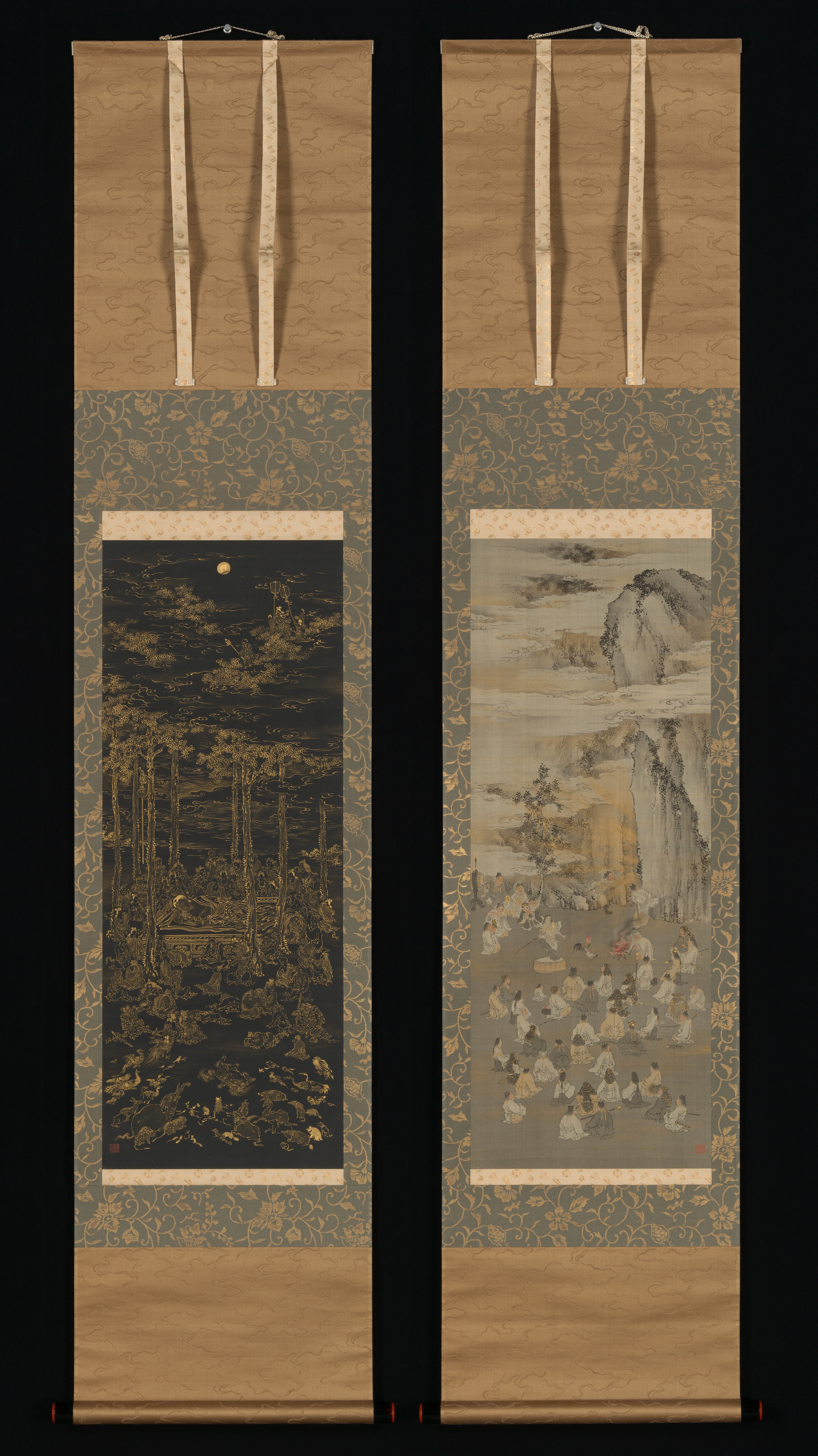
Who they are
- Born from Izanagi's left hand in the Kojiki's birth sequence [S1]S1 · *Kojiki* ('Records of Ancient Matters', 712 CE), trans. Basil Hall Chamberlain (1882/1933) — PRIMARY TRANSLATION — https://sacred-texts.com/Open source ↗.
- Her withdrawal into the Rock-Cave is the mythic explanation of the need to 'lure the sun back'—the origin of the cave-dance (kagura) [S1]S1 · *Kojiki* ('Records of Ancient Matters', 712 CE), trans. Basil Hall Chamberlain (1882/1933) — PRIMARY TRANSLATION — https://sacred-texts.com/Open source ↗.
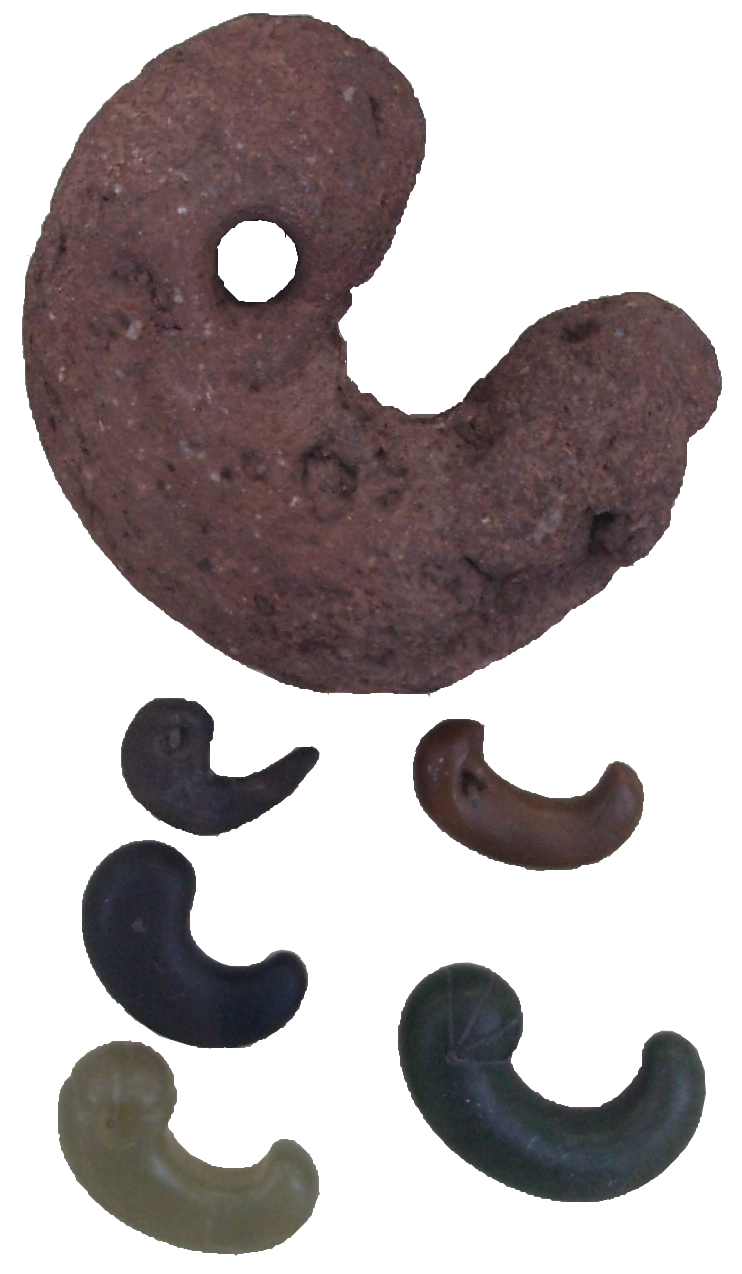
- The mirror Yata no Kagami is her sacred emblem and one of the three Imperial Regalia [S1]S1 · *Kojiki* ('Records of Ancient Matters', 712 CE), trans. Basil Hall Chamberlain (1882/1933) — PRIMARY TRANSLATION — https://sacred-texts.com/Open source ↗.
- Ancestress of the imperial line through her grandson Ninigi [S1]S1 · *Kojiki* ('Records of Ancient Matters', 712 CE), trans. Basil Hall Chamberlain (1882/1933) — PRIMARY TRANSLATION — https://sacred-texts.com/Open source ↗[S2]S2 · *Nihon Shoki* ('Chronicles of Japan', 720 CE) — PRIMARY TEXT (annalistic + mythographic) — (translation: G. Cameron, 1968; see Internet Arch.
- The cave myth's details (which kami take which roles, the naming of the cave, the precise role of Takemikazuchi) differ between the Kojiki and Nihon Shoki [S1]S1 · *Kojiki* ('Records of Ancient Matters', 712 CE), trans. Basil Hall Chamberlain (1882/1933) — PRIMARY TRANSLATION — https://sacred-texts.com/Open source ↗[S2]S2 · *Nihon Shoki* ('Chronicles of Japan', 720 CE) — PRIMARY TEXT (annalistic + mythographic) — (translation: G. Cameron, 1968; see Internet Arch.
- Her status as the single 'supreme' deity is a later (medieval-modern) development; the Kojiki presents her as one of the high deities sent to rule a portion of the realms [S1]S1 · *Kojiki* ('Records of Ancient Matters', 712 CE), trans. Basil Hall Chamberlain (1882/1933) — PRIMARY TRANSLATION — https://sacred-texts.com/Open source ↗[S2]S2 · *Nihon Shoki* ('Chronicles of Japan', 720 CE) — PRIMARY TEXT (annalistic + mythographic) — (translation: G. Cameron, 1968; see Internet Arch.
Connections
13 rows · 16 recorded edges — identical notes are grouped
Family & kinship
Conflict & enmity
Alliances & rule
Artifacts
Their corner of the divine world
- parentage
- marriage ♥
far = primordials · medium = all · close = detail — scroll/pan, click a deity to focus
3 stories
Izanagi and Izanami Form the Islands
The creator pair Izanagi and Izanami stand on the Floating Bridge of Heaven (Ame-no-ukihashi) and, with the jeweled spear Ame-no-nuhokohe, stir the brine of the deep sea; the salt that drips from the spear forms the first island, Onogoro [S1]S1 · *Kojiki* ('Records of Ancient Matters', 712 CE), trans. Basil Hall Chamberlain (1882/1933) — PRIMARY TRANSLATION — https://sacred-texts.com/Open source ↗. There they wed and, in a series of 'birthings,' produce the great islands of Japan (naming them as they are formed) and then the deities (kami) who attend them [S1]S1 · *Kojiki* ('Records of Ancient Matters', 712 CE), trans. Basil Hall Chamberlain (1882/1933) — PRIMARY TRANSLATION — https://sacred-texts.com/Open source ↗. The sequence of islands and the sequence of kami are given in the text, though the two lists differ between the Kojiki and Nihon Shoki [S1]S1 · *Kojiki* ('Records of Ancient Matters', 712 CE), trans. Basil Hall Chamberlain (1882/1933) — PRIMARY TRANSLATION — https://sacred-texts.com/Open source ↗[S2]S2 · *Nihon Shoki* ('Chronicles of Japan', 720 CE) — PRIMARY TEXT (annalistic + mythographic) — (translation: G. Cameron, 1968; see Internet Arch.
The Heavenly Rock-Cave (Amaterasu and the Dark World)
After his brother Susanoo is banished from the High Plain of Heaven for his violent misconduct, Amaterasu, in grief and fear, withdraws into the Heavenly Rock-Cave (Ame-no-Ohafutsu), and the world is plunged into darkness [S1]S1 · *Kojiki* ('Records of Ancient Matters', 712 CE), trans. Basil Hall Chamberlain (1882/1933) — PRIMARY TRANSLATION — https://sacred-texts.com/Open source ↗. The assembled kami devise a plan to lure her out: the goddess Ame-no-Uzume performs a dance (on an upturned tub), and with the clamor of the assembled deities (including the thunder god Takemikazuchi) and a held-out mirror, they provoke Amaterasu's curiosity and joy [S1]S1 · *Kojiki* ('Records of Ancient Matters', 712 CE), trans. Basil Hall Chamberlain (1882/1933) — PRIMARY TRANSLATION — https://sacred-texts.com/Open source ↗. She peers out to see what the commotion is, sees her own radiance in the mirror, and is drawn back into the light, restoring the world [S1]S1 · *Kojiki* ('Records of Ancient Matters', 712 CE), trans. Basil Hall Chamberlain (1882/1933) — PRIMARY TRANSLATION — https://sacred-texts.com/Open source ↗. This is the mythic origin of the kagura (ritual dance) and of the 'luring back of the sun' [S1]S1 · *Kojiki* ('Records of Ancient Matters', 712 CE), trans. Basil Hall Chamberlain (1882/1933) — PRIMARY TRANSLATION — https://sacred-texts.com/Open source ↗[S2]S2 · *Nihon Shoki* ('Chronicles of Japan', 720 CE) — PRIMARY TEXT (annalistic + mythographic) — (translation: G. Cameron, 1968; see Internet Arch.
The Descent of Ninigi (Tenson Kōryō)
The heavenly prince Ninigi, grandson of Amaterasu, is sent down from Takamagahara to take rule of the middle land (Ashihara-no-Nakatsukuni) [S1]S1 · *Kojiki* ('Records of Ancient Matters', 712 CE), trans. Basil Hall Chamberlain (1882/1933) — PRIMARY TRANSLATION — https://sacred-texts.com/Open source ↗. His descent (Tenson Kōryō) alights at Takachiho in Hyūga (Kyūshū) [S1]S1 · *Kojiki* ('Records of Ancient Matters', 712 CE), trans. Basil Hall Chamberlain (1882/1933) — PRIMARY TRANSLATION — https://sacred-texts.com/Open source ↗. Guided by the crossroads god Sarutahiko, he is confronted by Ōkuninushi's side (the Kuniyurinshi), after which the land is yielded [S1]S1 · *Kojiki* ('Records of Ancient Matters', 712 CE), trans. Basil Hall Chamberlain (1882/1933) — PRIMARY TRANSLATION — https://sacred-texts.com/Open source ↗. Ninigi takes the earthly bride Konohanasakuya-hime and later the heavenly bride Toyotama-hime (Amaterasu's daughter); their son Hooroni (Ōyahata) is the ancestor of the emperors [S1]S1 · *Kojiki* ('Records of Ancient Matters', 712 CE), trans. Basil Hall Chamberlain (1882/1933) — PRIMARY TRANSLATION — https://sacred-texts.com/Open source ↗[S2]S2 · *Nihon Shoki* ('Chronicles of Japan', 720 CE) — PRIMARY TEXT (annalistic + mythographic) — (translation: G. Cameron, 1968; see Internet Arch. The 'birth at sea' of Hooroni (Toyotama-hime giving birth in a hut at sea, whence the sea is born) is part of this descent narrative [S1]S1 · *Kojiki* ('Records of Ancient Matters', 712 CE), trans. Basil Hall Chamberlain (1882/1933) — PRIMARY TRANSLATION — https://sacred-texts.com/Open source ↗.
Objects they wielded, forged, or were bound to
INTERPRETIVE CLASSIFICATION · FULL PROFILE IN THE DIVINE VAULT


Depictions


