In the Theogony, the first thing is Chaos, from which come Gaia (Earth), Tartarus, Eros, and Nyx. Gaia bears Ouranos (Sky), and the union of Gaia and Ouranos produces the Titans, the Cyclopes, and the Hecatoncheires [S1]S1 · Hesiod, Theogonyc. 700 BCEtextOpen source ↗.
Ouranos imprisoned his children in Tartarus. Gaia, grieving, forged a flint sickle and set Cronus to castrate and overthrow him; the Erinyes and (in the Theogony) Aphrodite arose from his severed parts [S1]S1 · Hesiod, Theogonyc. 700 BCEtextOpen source ↗.
Zeus, grown, forced Cronus to disgorge his siblings, freed the Cyclopes and Hecatoncheires, and led them to war against the Titans. After a great battle, the Titans were defeated and cast into Tartarus [S1]S1 · Hesiod, Theogonyc. 700 BCEtextOpen source ↗.
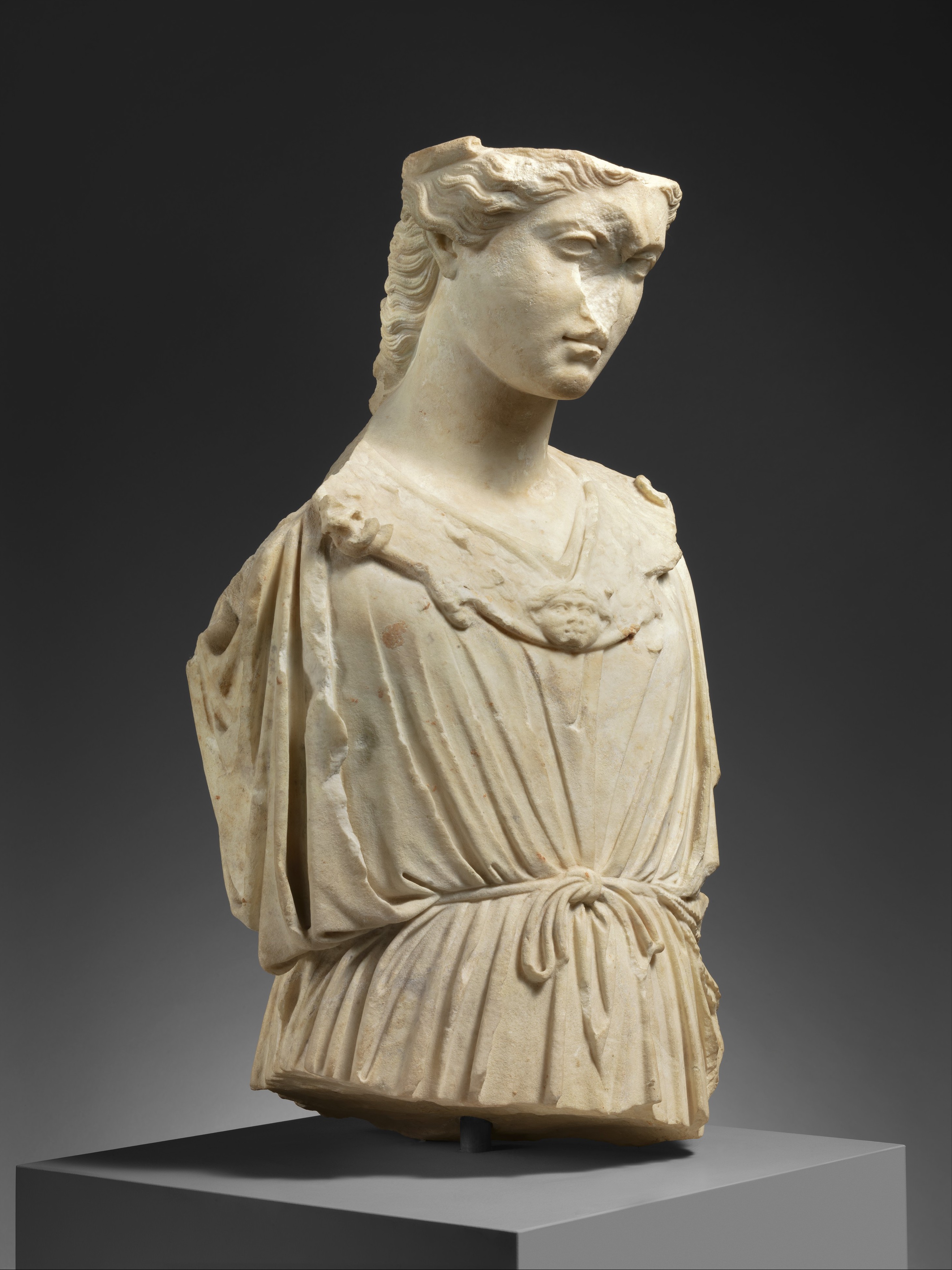
Zeus swallowed Metis, pregnant with their child, to avert the prophecy that the child would overthrow him. Athena was born fully formed and armored from Zeus's head [S1]S1 · Hesiod, Theogonyc. 700 BCEtextOpen source ↗[S4]S4 · Homeric Hymnsc. 700–300 BCEtext[S5]S5 · Pseudo-Apollodorus, Library (Bibliotheca)c. 1st–2nd c. CE (transmits earlier)text.
Athena and Poseidon each offered a gift to the city: she the olive tree, he the sea (or a horse). The city chose Athena's gift, and she became its patron [S5]S5 · Pseudo-Apollodorus, Library (Bibliotheca)c. 1st–2nd c. CE (transmits earlier)text[S6]S6 · Pausanias, Description of Greecec. 150–180 CEtext.
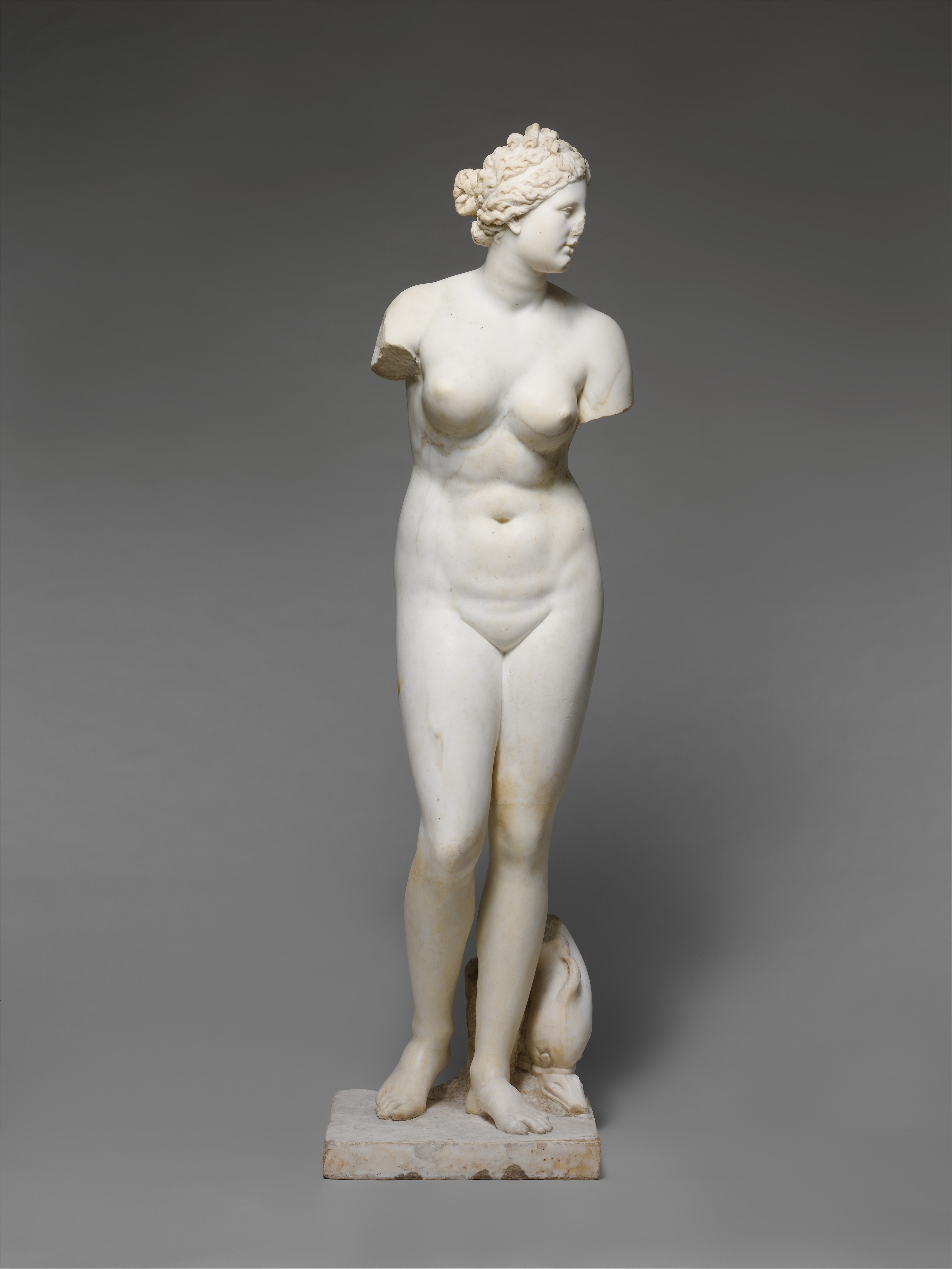
In the Theogony, Aphrodite is born from the sea-foam around Ouranos's severed member at Cythera. In the Iliad, she is the daughter of Zeus and Dione. Both accounts are canonical and incompatible [S1]S1 · Hesiod, Theogonyc. 700 BCEtextOpen source ↗[S2]S2 · Homer, Iliadc. 750 BCEtextOpen source ↗.
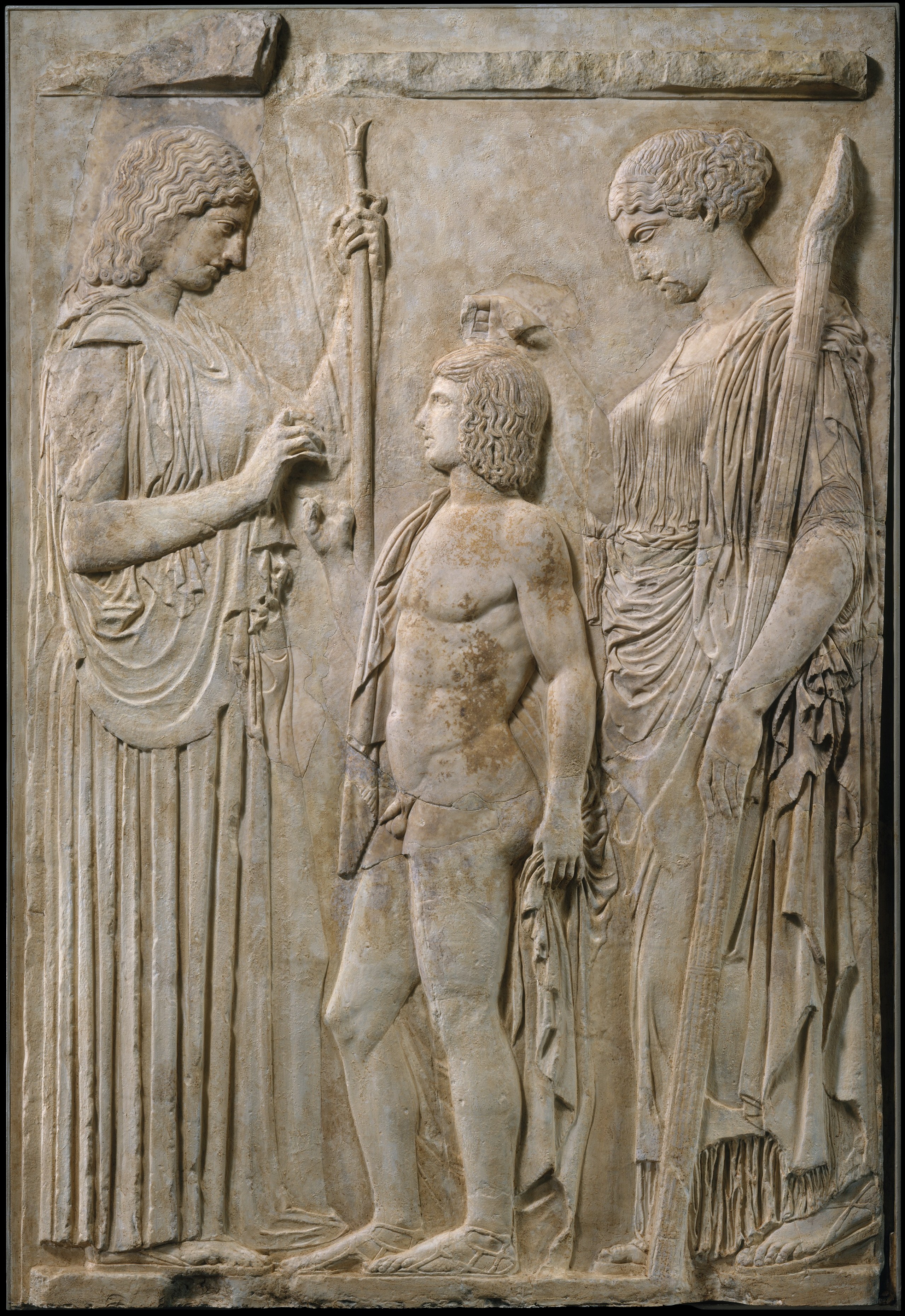
Hades abducted Persephone to be his queen. Demeter's grief withheld the earth's fertility until a compromise: Persephone spends part of the year on earth (spring/summer) and part in the underworld (autumn/winter), because she ate pomegranate seeds below [S4]S4 · Homeric Hymnsc. 700–300 BCEtext[S5]S5 · Pseudo-Apollodorus, Library (Bibliotheca)c. 1st–2nd c. CE (transmits earlier)text.
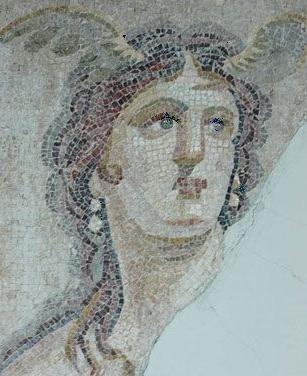
Sent to fetch Medusa's head, Perseus was aided by Athena (mirror-shield) and Hermes (winged sandals, sickle); he beheaded the Gorgon, and Pegasus and Chrysaor sprang from her blood [S1]S1 · Hesiod, Theogonyc. 700 BCEtextOpen source ↗[S5]S5 · Pseudo-Apollodorus, Library (Bibliotheca)c. 1st–2nd c. CE (transmits earlier)text.
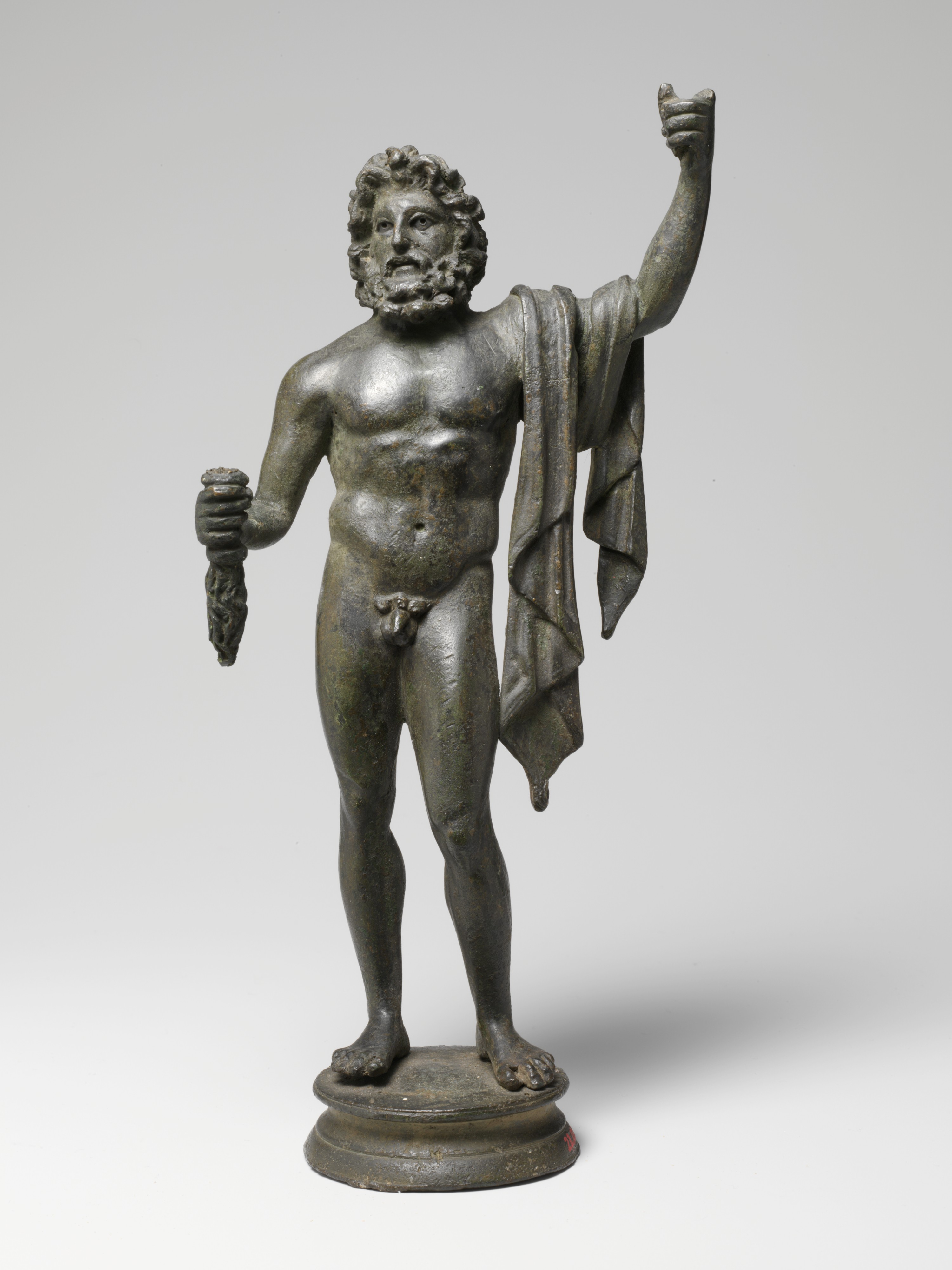
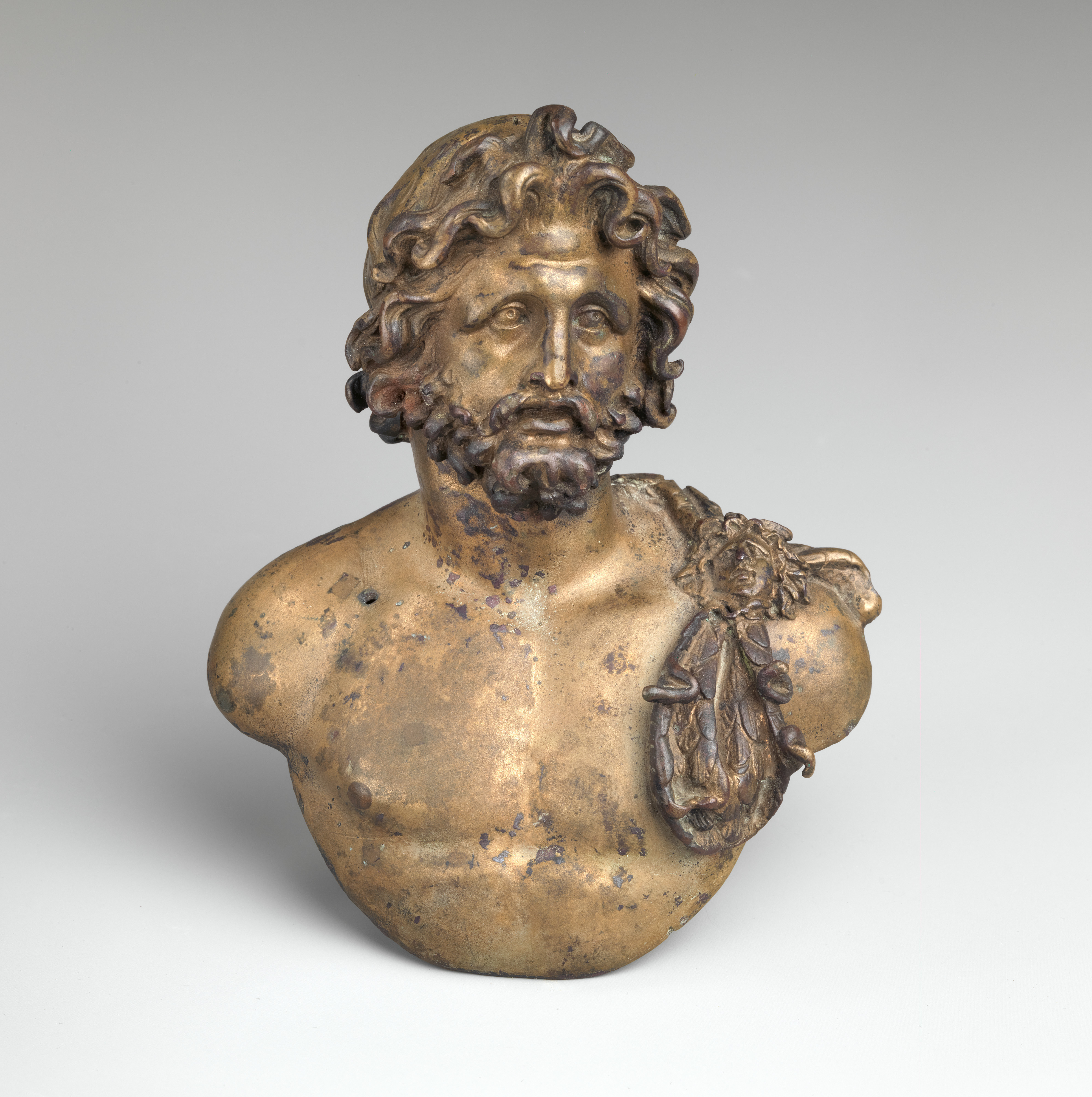
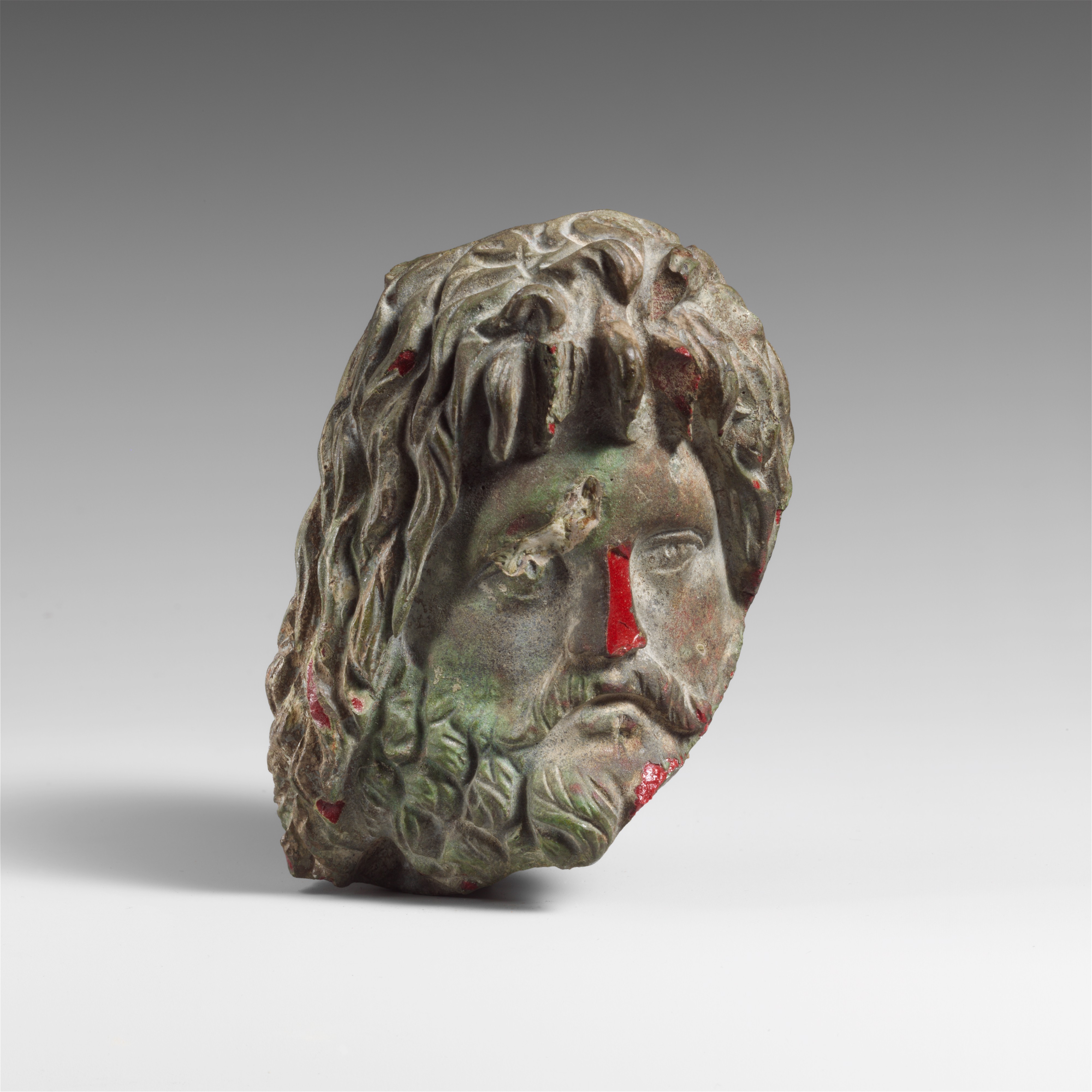
Typhon, the greatest monster, warred against the gods and wounded Zeus, who was cut and fell. Zeus recovered, regained his thunderbolt, and buried Typhon under Mount Etna [S1]S1 · Hesiod, Theogonyc. 700 BCEtextOpen source ↗[S5]S5 · Pseudo-Apollodorus, Library (Bibliotheca)c. 1st–2nd c. CE (transmits earlier)text.
Driven to madness by Hera, Heracles killed his children and was set to perform the twelve labors for Eurystheus as penance — including the Nemean lion, the Lernaean Hydra, and the capture of Cerberus. After his death he was raised to Olympus [S5]S5 · Pseudo-Apollodorus, Library (Bibliotheca)c. 1st–2nd c. CE (transmits earlier)text.
On his way home from Troy, Odysseus was trapped by the Cyclops Polyphemus, whom he blinded and escaped by calling himself 'Nobody' (Outis), so the other Cyclopes did not come when they heard 'Nobody is doing this' [S3]S3 · Homer, Odysseyc. 725 BCEtextOpen source ↗.
The Hesiodic Creation (Cosmogony)
Chaos First
The first thing was Chaos, the yawning gap [S1]S1 · Hesiod, Theogonyc. 700 BCEtextOpen source ↗.
Gaia and the First Beings
From Chaos came Gaia, Tartarus, Eros, and Nyx [S1]S1 · Hesiod, Theogonyc. 700 BCEtextOpen source ↗.
Ouranos and the Titans
Gaia bore Ouranos; their union produced the Titans, Cyclopes, and Hecatoncheires [S1]S1 · Hesiod, Theogonyc. 700 BCEtextOpen source ↗.
Variant traditions (2)
HesiodicChaos → Gaia/Ouranos → Titans (Theogony).
OrphicA cosmic egg and the god Phanes; a different, later cosmogony [S5]S5 · Pseudo-Apollodorus, Library (Bibliotheca)c. 1st–2nd c. CE (transmits earlier)text.
Sources: [S1]
The Overthrow of Ouranos
The Imprisonment
Ouranos cast his children into Tartarus [S1]S1 · Hesiod, Theogonyc. 700 BCEtextOpen source ↗.
The Sickle
Gaia forged a sickle and set Cronus against him [S1]S1 · Hesiod, Theogonyc. 700 BCEtextOpen source ↗.
The Fall
Cronus castrated Ouranos, who retreated to the heavens [S1]S1 · Hesiod, Theogonyc. 700 BCEtextOpen source ↗.
Sources: [S1]
The Titanomachy (War of the Titans)
The Stone for Zeus
Rhea gave Cronus a wrapped stone in place of the infant Zeus [S1]S1 · Hesiod, Theogonyc. 700 BCEtextOpen source ↗[S5]S5 · Pseudo-Apollodorus, Library (Bibliotheca)c. 1st–2nd c. CE (transmits earlier)text.
The Disgorging
Zeus forced Cronus to vomit up his swallowed siblings [S1]S1 · Hesiod, Theogonyc. 700 BCEtextOpen source ↗.
The War
With the Cyclopes and Hecatoncheires, Zeus defeated the Titans [S1]S1 · Hesiod, Theogonyc. 700 BCEtextOpen source ↗.
The Division
Zeus took the sky, Poseidon the sea, Hades the underworld [S1]S1 · Hesiod, Theogonyc. 700 BCEtextOpen source ↗.
Sources: [S1]
The Birth of Athena
The Prophecy
A child of Metis would overthrow Zeus [S1]S1 · Hesiod, Theogonyc. 700 BCEtextOpen source ↗[S5]S5 · Pseudo-Apollodorus, Library (Bibliotheca)c. 1st–2nd c. CE (transmits earlier)text.
The Swallowing
Zeus swallowed Metis while pregnant [S1]S1 · Hesiod, Theogonyc. 700 BCEtextOpen source ↗.
The Birth
Athena sprang from Zeus's head, fully armed [S4]S4 · Homeric Hymnsc. 700–300 BCEtext[S5]S5 · Pseudo-Apollodorus, Library (Bibliotheca)c. 1st–2nd c. CE (transmits earlier)text.
Sources: [S1] [S4] [S5]
Athena and Poseidon for Athens
The Contest
Both gods offered a gift to the new city [S5]S5 · Pseudo-Apollodorus, Library (Bibliotheca)c. 1st–2nd c. CE (transmits earlier)text.
The Gifts
Athena gave the olive; Poseidon the sea/spring [S5]S5 · Pseudo-Apollodorus, Library (Bibliotheca)c. 1st–2nd c. CE (transmits earlier)text[S6]S6 · Pausanias, Description of Greecec. 150–180 CEtext.
The Choice
The city chose Athena, who became its patron [S6]S6 · Pausanias, Description of Greecec. 150–180 CEtext.
Sources: [S5] [S6]
The Abduction of Persephone and the Seasons
The Abduction
Hades took Persephone from a meadow [S4]S4 · Homeric Hymnsc. 700–300 BCEtext[S5]S5 · Pseudo-Apollodorus, Library (Bibliotheca)c. 1st–2nd c. CE (transmits earlier)text.
The Grief
Demeter's sorrow made the earth barren [S4]S4 · Homeric Hymnsc. 700–300 BCEtext[S5]S5 · Pseudo-Apollodorus, Library (Bibliotheca)c. 1st–2nd c. CE (transmits earlier)text.
The Compromise
Persephone divides the year between earth and underworld [S4]S4 · Homeric Hymnsc. 700–300 BCEtext[S5]S5 · Pseudo-Apollodorus, Library (Bibliotheca)c. 1st–2nd c. CE (transmits earlier)text.
The Pomegranate
Six pomegranate seeds bound her to return (later/Orphic detail) [S4]S4 · Homeric Hymnsc. 700–300 BCEtext[S5]S5 · Pseudo-Apollodorus, Library (Bibliotheca)c. 1st–2nd c. CE (transmits earlier)text.
Sources: [S4] [S5]
Perseus and Medusa
The Quest
Polydectes sent Perseus for Medusa's head [S5]S5 · Pseudo-Apollodorus, Library (Bibliotheca)c. 1st–2nd c. CE (transmits earlier)text.
The Gifts
Athena's shield, Hermes's sandals and sickle [S5]S5 · Pseudo-Apollodorus, Library (Bibliotheca)c. 1st–2nd c. CE (transmits earlier)text.
The Slaying
Perseus beheaded Medusa via the mirror [S5]S5 · Pseudo-Apollodorus, Library (Bibliotheca)c. 1st–2nd c. CE (transmits earlier)text.
Pegasus
Pegasus and Chrysaor sprang from her blood [S1]S1 · Hesiod, Theogonyc. 700 BCEtextOpen source ↗[S5]S5 · Pseudo-Apollodorus, Library (Bibliotheca)c. 1st–2nd c. CE (transmits earlier)text.
Sources: [S1] [S5]
Typhon and Zeus
The Monster
Typhon, hundred-headed, born of Gaia [S1]S1 · Hesiod, Theogonyc. 700 BCEtextOpen source ↗.
The Wounding
Typhon cut Zeus and made him fall [S1]S1 · Hesiod, Theogonyc. 700 BCEtextOpen source ↗.
The Burial
Zeus buried Typhon under Etna; its fires are his breath [S1]S1 · Hesiod, Theogonyc. 700 BCEtextOpen source ↗[S5]S5 · Pseudo-Apollodorus, Library (Bibliotheca)c. 1st–2nd c. CE (transmits earlier)text.
Sources: [S1] [S5]
The Twelve Labors of Heracles
The Madness
Hera drove Heracles to kill his children [S5]S5 · Pseudo-Apollodorus, Library (Bibliotheca)c. 1st–2nd c. CE (transmits earlier)text.
The Labors
Twelve tasks for Eurystheus [S5]S5 · Pseudo-Apollodorus, Library (Bibliotheca)c. 1st–2nd c. CE (transmits earlier)text.
Cerberus
The final labor: capture Cerberus [S5]S5 · Pseudo-Apollodorus, Library (Bibliotheca)c. 1st–2nd c. CE (transmits earlier)text.
Olympus
After his death he was raised to Olympus [S5]S5 · Pseudo-Apollodorus, Library (Bibliotheca)c. 1st–2nd c. CE (transmits earlier)text.
Sources: [S5]
Odysseus and the Cyclops
The Cave
Odysseus's men were trapped by Polyphemus [S3]S3 · Homer, Odysseyc. 725 BCEtextOpen source ↗.
The Blinding
Odysseus blinded the Cyclops with a stake [S3]S3 · Homer, Odysseyc. 725 BCEtextOpen source ↗.
'Nobody'
He called himself Outis (Nobody) to outwit the others [S3]S3 · Homer, Odysseyc. 725 BCEtextOpen source ↗.
The Wrath
Poseidon (Polyphemus's father) cursed Odysseus's journey home [S3]S3 · Homer, Odysseyc. 725 BCEtextOpen source ↗.
Sources: [S3]