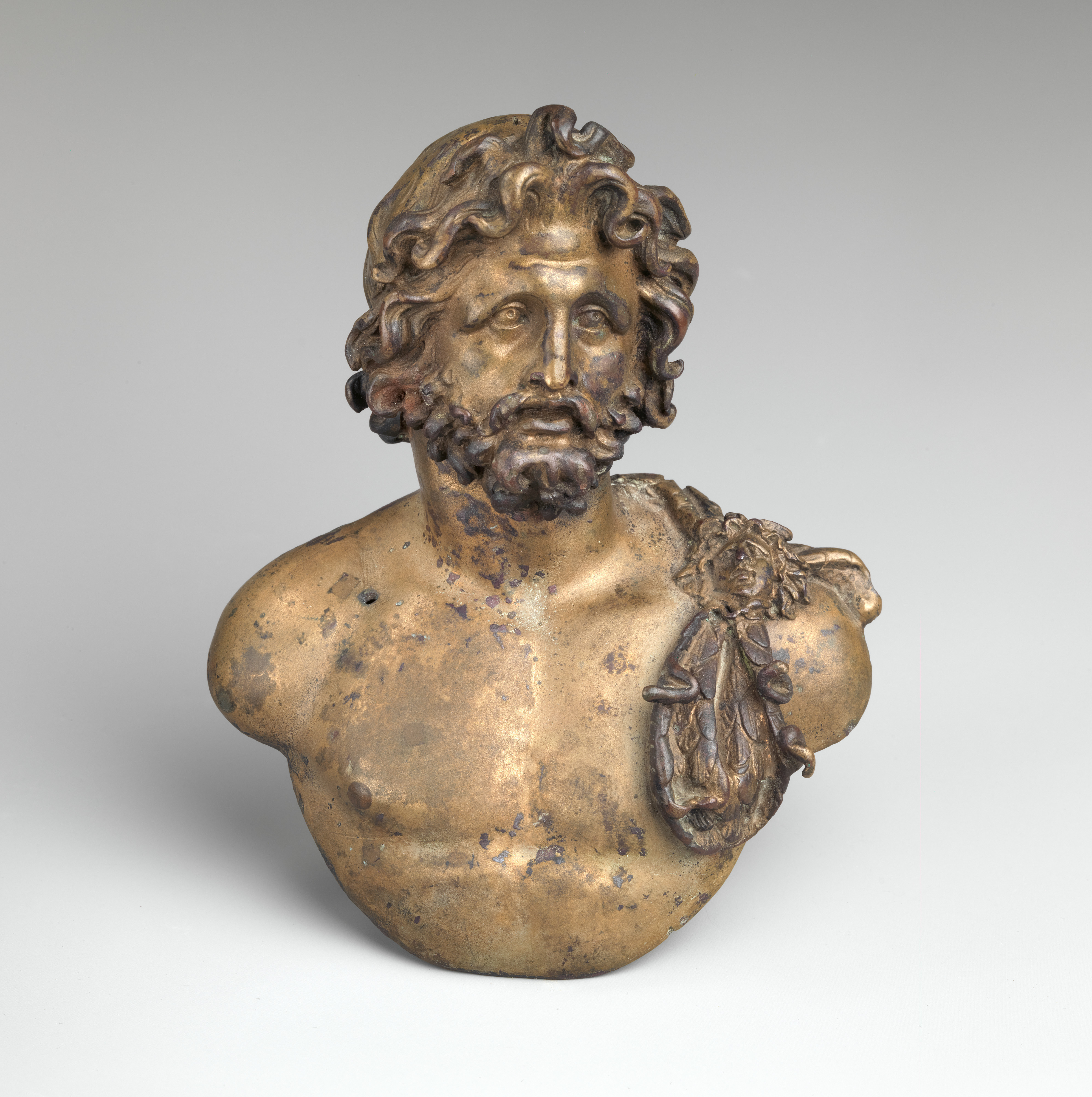
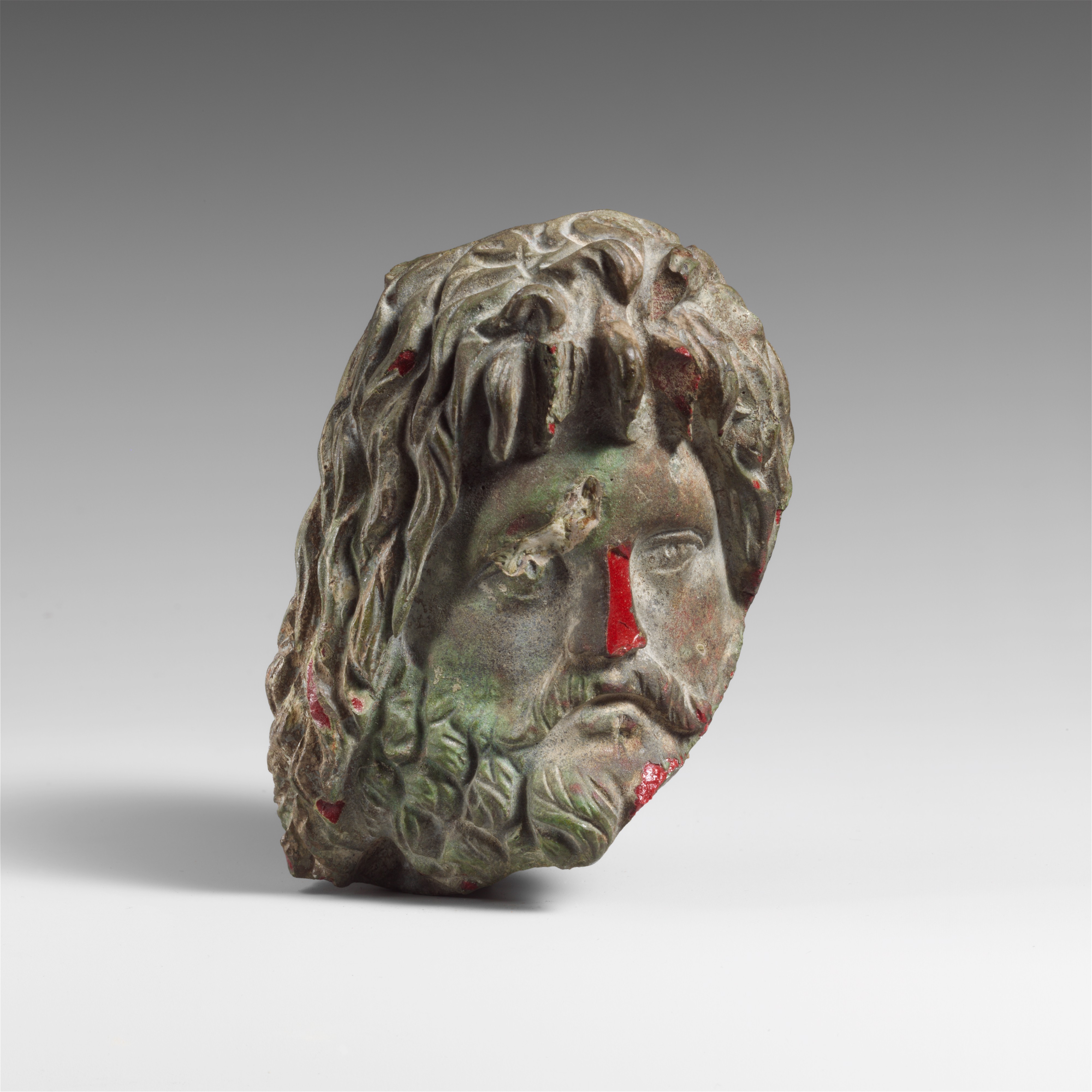
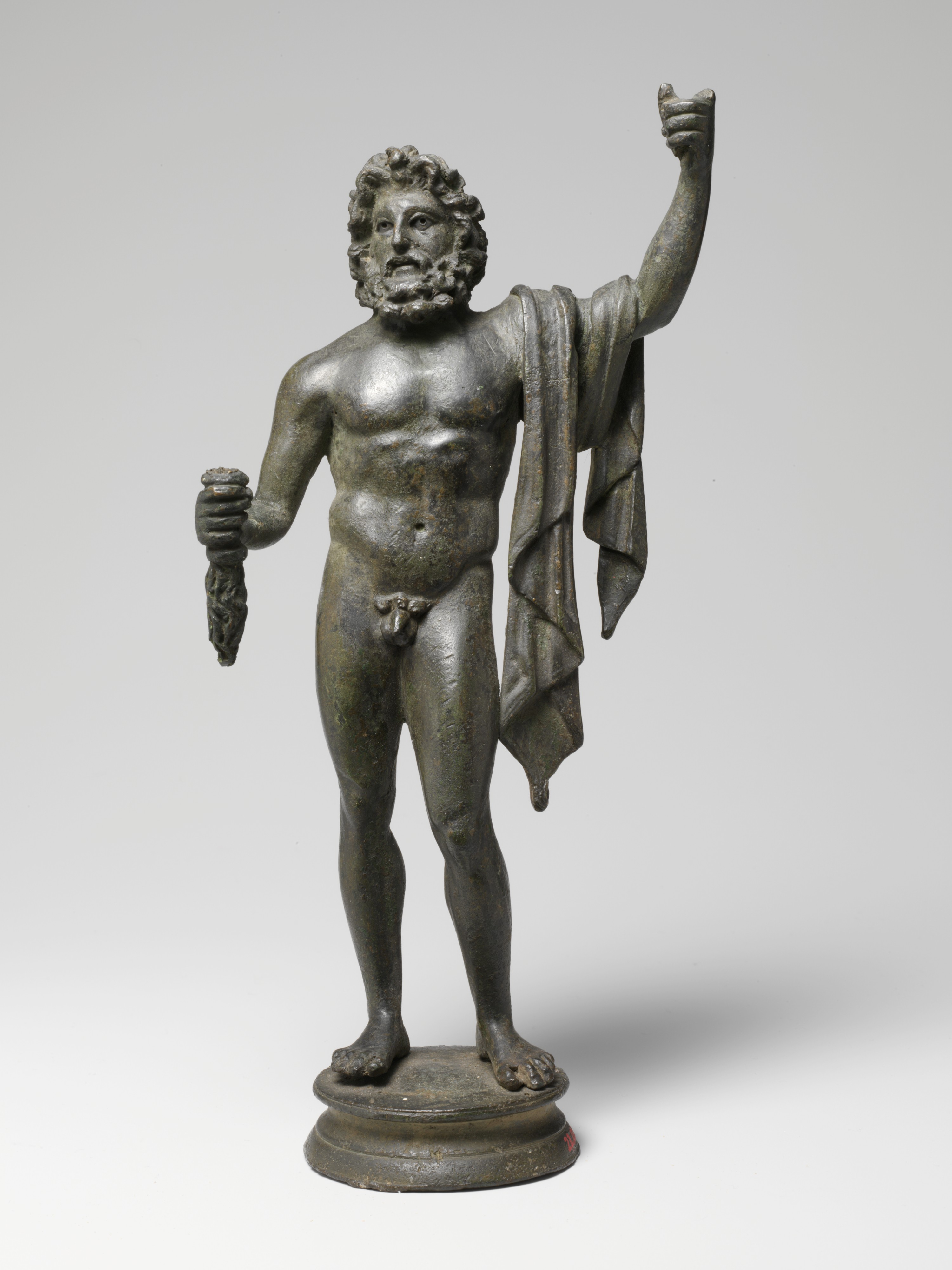
Zeus
King of the gods, ruler of Olympus, lord of sky, thunder, and kingly order — father of many gods and heroes.
Who they are
- His thunderbolt was forged for him by the Cyclopes [S1]S1 · Hesiod, Theogonyc. 700 BCEtextOpen source ↗.
- Zeus is the god of xenia (hospitality) — a guest under his protection is sacred [S2]S2 · Homer, Iliadc. 750 BCEtextOpen source ↗[S3]S3 · Homer, Odysseyc. 725 BCEtextOpen source ↗.
- Dodona (in Epirus) was his oldest oracle, predating Delphi [S6]S6 · Pausanias, Description of Greecec. 150–180 CEtext.
- Zeus's parentage is stable across sources (Cronus & Rhea); his 'many children' reflect both myth and the practice of local cults claiming him as patron [S1]S1 · Hesiod, Theogonyc. 700 BCEtextOpen source ↗[S6]S6 · Pausanias, Description of Greecec. 150–180 CEtext.
Connections
22 rows · 29 recorded edges — identical notes are grouped
Family & kinship
Partners
Conflict & enmity
Alliances & rule
Artifacts
Their corner of the divine world
- parentage
- marriage ♥
far = primordials · medium = all · close = detail — scroll/pan, click a deity to focus
6 stories
The Hesiodic Creation (Cosmogony)
In the Theogony, the first thing is Chaos, from which come Gaia (Earth), Tartarus, Eros, and Nyx. Gaia bears Ouranos (Sky), and the union of Gaia and Ouranos produces the Titans, the Cyclopes, and the Hecatoncheires [S1]S1 · Hesiod, Theogonyc. 700 BCEtextOpen source ↗.
The Titanomachy (War of the Titans)
Zeus, grown, forced Cronus to disgorge his siblings, freed the Cyclopes and Hecatoncheires, and led them to war against the Titans. After a great battle, the Titans were defeated and cast into Tartarus [S1]S1 · Hesiod, Theogonyc. 700 BCEtextOpen source ↗.
The Birth of Athena
Zeus swallowed Metis, pregnant with their child, to avert the prophecy that the child would overthrow him. Athena was born fully formed and armored from Zeus's head [S1]S1 · Hesiod, Theogonyc. 700 BCEtextOpen source ↗[S4]S4 · Homeric Hymnsc. 700–300 BCEtext[S5]S5 · Pseudo-Apollodorus, Library (Bibliotheca)c. 1st–2nd c. CE (transmits earlier)text.
The Birth of Aphrodite (Two Accounts)
In the Theogony, Aphrodite is born from the sea-foam around Ouranos's severed member at Cythera. In the Iliad, she is the daughter of Zeus and Dione. Both accounts are canonical and incompatible [S1]S1 · Hesiod, Theogonyc. 700 BCEtextOpen source ↗[S2]S2 · Homer, Iliadc. 750 BCEtextOpen source ↗.
The Abduction of Persephone and the Seasons
Hades abducted Persephone to be his queen. Demeter's grief withheld the earth's fertility until a compromise: Persephone spends part of the year on earth (spring/summer) and part in the underworld (autumn/winter), because she ate pomegranate seeds below [S4]S4 · Homeric Hymnsc. 700–300 BCEtext[S5]S5 · Pseudo-Apollodorus, Library (Bibliotheca)c. 1st–2nd c. CE (transmits earlier)text.
Typhon and Zeus
Typhon, the greatest monster, warred against the gods and wounded Zeus, who was cut and fell. Zeus recovered, regained his thunderbolt, and buried Typhon under Mount Etna [S1]S1 · Hesiod, Theogonyc. 700 BCEtextOpen source ↗[S5]S5 · Pseudo-Apollodorus, Library (Bibliotheca)c. 1st–2nd c. CE (transmits earlier)text.
Objects they wielded, forged, or were bound to
INTERPRETIVE CLASSIFICATION · FULL PROFILE IN THE DIVINE VAULT


Depictions