Greek Mythology · monster
Medusa
Μέδουσα
monsterthe Gorgonthe petrifying gaze
The Gorgon with snakes for hair whose gaze turned viewers to stone; slain by Perseus.
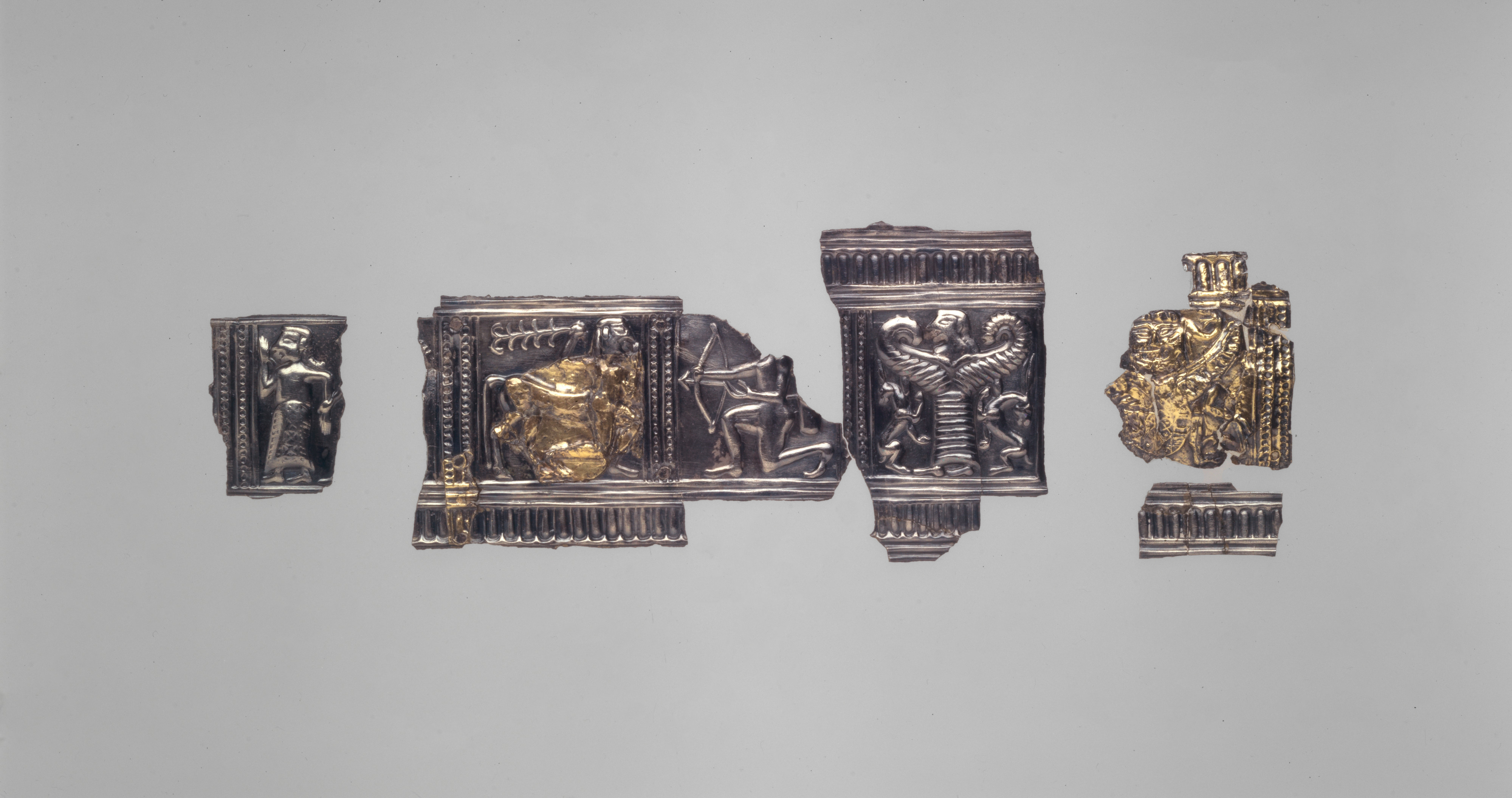
The account
Who they are
Medusa is one of the three Gorgon sisters (with Stheno and Euryale), and the only one who was mortal; her hair was living snakes and her gaze turned any who met it to stone [S4]S4 · Homeric Hymnsc. 700–300 BCEtext[S5]S5 · Pseudo-Apollodorus, Library (Bibliotheca)c. 1st–2nd c. CE (transmits earlier)text. In the standard account (Ovid, building on earlier tradition) she was a beautiful maiden transformed into a monster (in Ovid, for her hubris and for an offense against Athena), and she was slain by Perseus, who used Athena's mirror-shield to avoid meeting her gaze [S5]S5 · Pseudo-Apollodorus, Library (Bibliotheca)c. 1st–2nd c. CE (transmits earlier)text. (In Hesiod's earlier Theogony the Gorgons are monstrous from the start, daughters of the sea-gods Phorcys and Ceto — the 'beautiful maiden' version is later, from Ovid.) [S1]S1 · Hesiod, Theogonyc. 700 BCEtextOpen source ↗[S5]S5 · Pseudo-Apollodorus, Library (Bibliotheca)c. 1st–2nd c. CE (transmits earlier)text From her severed neck sprang the winged horse Pegasus and the giant Chrysaor [S1]S1 · Hesiod, Theogonyc. 700 BCEtextOpen source ↗[S5]S5 · Pseudo-Apollodorus, Library (Bibliotheca)c. 1st–2nd c. CE (transmits earlier)text.
Worth knowing
- Her gaze turned viewers to stone [S4]S4 · Homeric Hymnsc. 700–300 BCEtext[S5]S5 · Pseudo-Apollodorus, Library (Bibliotheca)c. 1st–2nd c. CE (transmits earlier)text.
- Sln by Perseus using Athena's mirror-shield [S5]S5 · Pseudo-Apollodorus, Library (Bibliotheca)c. 1st–2nd c. CE (transmits earlier)text.
- Pegasus and Chrysaor sprang from her blood [S1]S1 · Hesiod, Theogonyc. 700 BCEtextOpen source ↗[S5]S5 · Pseudo-Apollodorus, Library (Bibliotheca)c. 1st–2nd c. CE (transmits earlier)text.
- The 'beautiful maiden' version is later (Ovid); Hesiod's Gorgons are monstrous from birth [S1]S1 · Hesiod, Theogonyc. 700 BCEtextOpen source ↗[S5]S5 · Pseudo-Apollodorus, Library (Bibliotheca)c. 1st–2nd c. CE (transmits earlier)text.
Uncertainties & variants
- The 'transformed from a beautiful maiden' account is Ovid's (Roman, later); the earlier Greek account (Hesiod) has her as a monstrous Gorgon from birth. Both stored [S1]S1 · Hesiod, Theogonyc. 700 BCEtextOpen source ↗[S5]S5 · Pseudo-Apollodorus, Library (Bibliotheca)c. 1st–2nd c. CE (transmits earlier)text.
Relationships (3)
Connections
Conflict & enmity
Artifacts
CONTAINSAegis — The Gorgoneion (Medusa's head) is set in the Aegis.[[S1]]
Local graph
Their corner of the divine world
Viewhierarchical — generations top → bottom, partners side by side
Overlays
FocusMedusaGreek
- parentage
- marriage ♥
far = primordials · medium = all · close = detail — scroll/pan, click a deity to focus
1 story
Perseus and Medusa
Sent to fetch Medusa's head, Perseus was aided by Athena (mirror-shield) and Hermes (winged sandals, sickle); he beheaded the Gorgon, and Pegasus and Chrysaor sprang from her blood [S1]S1 · Hesiod, Theogonyc. 700 BCEtextOpen source ↗[S5]S5 · Pseudo-Apollodorus, Library (Bibliotheca)c. 1st–2nd c. CE (transmits earlier)text.
Objects they wielded, forged, or were bound to
INTERPRETIVE CLASSIFICATION · FULL PROFILE IN THE DIVINE VAULT

Depictions